


Labor Day and the modern case for fair pay
Labor Day weekend – and its accompanying, very welcome day off – is upon us. For many, the first Monday of September means no meetings and a little more summer before fall settles in.
But the holiday has deeper roots. Labor Day grew out of the labor movement and the push for better working conditions, including the eight-hour workday. At its core, it's always been about something simple – something honest: making work fairer for the people doing it.
Today, that conversation includes compensation and a focus on just how people are paid.
Employees want to know whether their pay is fair, how it was determined, and how they can grow within their roles. At the same time, organizations continue to navigate expanding pay transparency laws and greater scrutiny of pay practices.
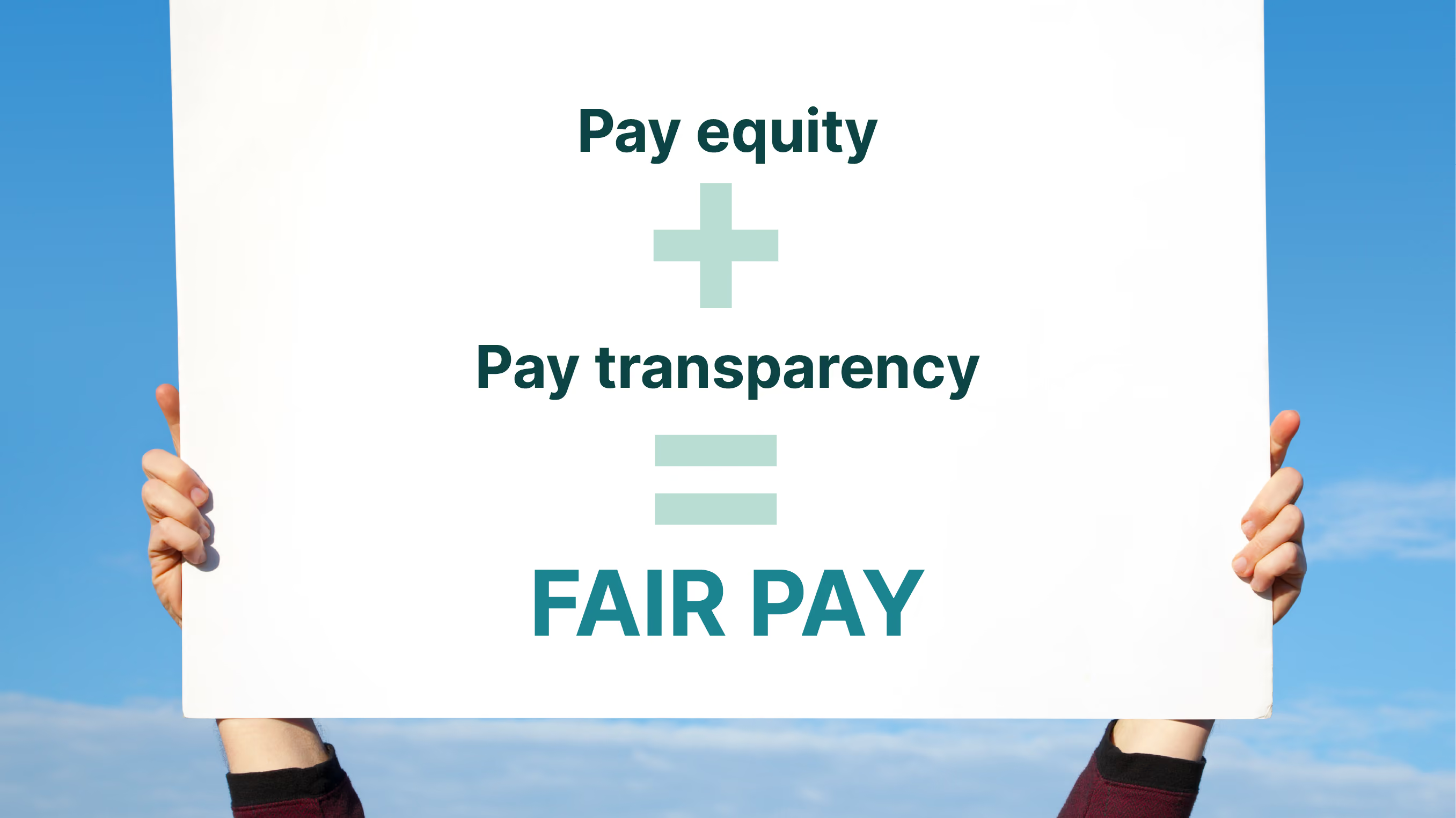
In the spirit of the coming weekend, let’s take a quick look at two big components that make up the modern case for fair pay.
1. Pay equity
Pay equity means making sure employees are paid fairly for the work they do, without disparities tied to gender, race, or other protected characteristics.
Getting there is easier said than done; organizations need reliable compensation data, consistent processes, and the ability to identify potential pay gaps before they become bigger problems.
That visibility matters. Recent Payscale research shows the impact: the ability to identify pay equity issues proactively jumps from 17% to 49% with structured practices in place.
2. Pay transparency
Pay transparency gives employees and job seekers more visibility into what roles pay and, ideally, how those decisions are made.
More recently, it became a much bigger compliance priority. States and municipalities continue to introduce new requirements related to salary ranges, pay data reporting, wage history, and compensation transparency. For organizations, that means questions about pay are becoming harder to avoid and more important to answer (transparently).
And showing people a number isn't the same as helping them understand it. That's where pay literacy comes in.
Why understanding pay changes everything
Think about two questions employees are asked all the time: Do you feel you're paid fairly? Do you see room to grow here?
Answering either one is difficult without context.
An employee can see their salary and still have no idea how it compares with the market, where they fall within a pay range, what skills could move them forward, or why one role pays differently from another.
That means transparency can't stop at knowing a range. Organizations also need to explain the thinking behind the numbers.
Our research shows what can happen when those conversations improve. 86% of respondents said Payscale improved their organization's ability to communicate compensation decisions clearly and consistently. Another 62% reported more consistent compensation messaging across their organization, and 58% said managers were more confident having compensation conversations — the conversations that can actually keep people from leaving.
That last point is especially important. Managers are often the people employees turn to with questions about raises, ranges, promotions, and career growth. Giving them the data is one thing. Giving them the confidence to explain it is a whole other animal.
The takeaway
Labor Day grew out of a push to make work fairer. More than a century later, that work continues, albeit in a different form.
Fair pay today means more than putting a salary range on a job posting. It means building equitable pay practices, making compensation decisions easier to understand, and giving employees confidence in the "what" and "why" behind how they're paid.
And the business impact is measurable. Payscale research found that better compensation practices were associated with clearer communication, greater manager confidence, and stronger retention outcomes.
Okay, that’s all (for now). You’ve had a long day! Here’s to enjoying the long weekend ahead, and coming back ready to make pay a little less mysterious, and a little more modern.
Ready to see how doubling down on strategic compensation practices, including transparency and pay equity, can play out for your bottom line? Read our ROI report to discover how strategic compensation practices deliver an estimated $1M in annual value.