

Featured content
Your jobs have changed. Has your job architecture?
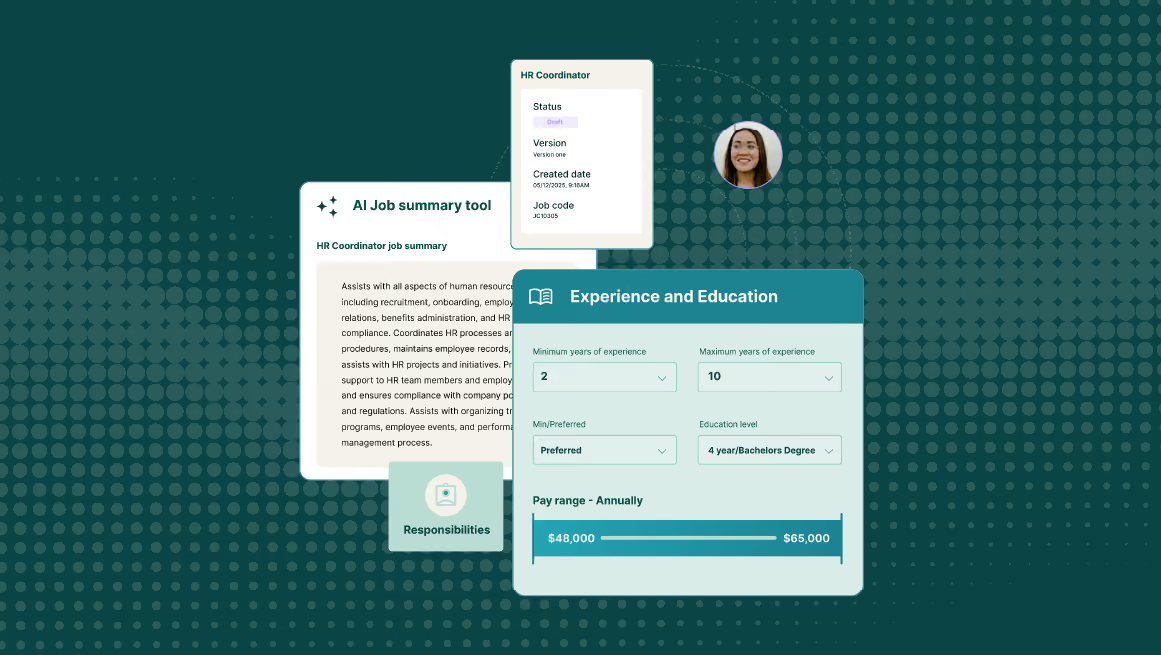
Your jobs have changed, but has your job architecture kept up? This guide shows how organizations are replacing outdated, scattered job structures with a single, governed foundation for pay and talent decisions. Learn what breaks without job architecture, how JobNav brings roles, levels, and approvals together, and a three-step path to get started.

Winning CFO Approval for Your Compensation Budget
The best compensation strategy means nothing if it never gets funded. This guide shows compensation leaders how to translate benchmarks and pay models into the language CFOs act on: business impact, quantified risk, and measurable return. You’ll learn what finance wants to hear, how to frame merit, market adjustments, pay equity, and retention as investments rather than costs, and how to answer tough questions with confidence.
Effective pay increase strategies to retain talent mid-cycle
Delayed offers cause team burnout and talent loss, with the core issue often being compensation misalignment rather than speed. This guide addresses the hidden expenses of misalignment and provides four foundations to transform hiring from chaotic to strategic

How to prevent offer and pay alignment issues that create hiring delays
Delayed offers cause team burnout and talent loss, with the core issue often being compensation misalignment rather than speed. This guide addresses the hidden expenses of misalignment and provides four foundations to transform hiring from chaotic to strategic
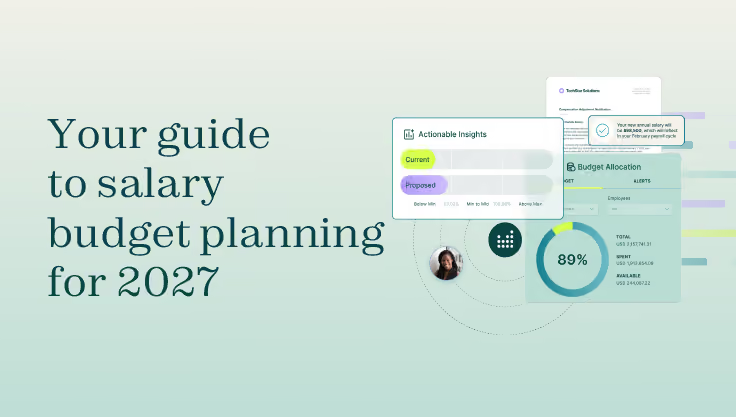
Your Guide to Salary Budget Planning for 2027
Compensation teams often struggle to allocate limited budgets effectively due to a lack of data and visibility, leading to inefficient pay planning. This guide provides a strategic, four-step framework utilizing data from the Payscale 2026-2027 Salary Budget Survey to optimize pay planning year-round, determine accurate budgets, evaluate critical metrics, and move away from flat, "peanut butter" increases. For more information, read the guide at Payscale.

How to create job descriptions that are compliant and effective
Job descriptions are where hiring and compensation meet. When they're scattered across systems and interpreted differently by every team, hiring slows down. Compliance becomes manual and risky. Top candidates accept other offers while you're still debating the role. This guide shows how to fix it — and why it matters more now than ever.


How to assess the risk of losing top talent due to compensation
Learn to spot flight risk before your best people leave. Three quick analyses reveal where pay gaps, compression, and market lag threaten retention.


Benchmarking with data that moves with the market
With a labor market cooling, some employers aren’t concerned with pay compression.

Why unified compensation data changes everything
Compensation professionals juggle multiple data sources across spreadsheets and disconnected systems. Here's how to unify them and reclaim weeks of work.
The case for AI-assisted job pricing
More than one in three compensation professionals aren't confident their market pricing is competitive — and manual benchmarking is the biggest reason why. This guide gives HR and comp leaders the data, peer proof, and ready-to-use talking points to make the case for a smarter approach.