


Compensation isn’t just an annual event. It’s become a year-long process — aka a year of decisions.
Consider this scenario: a new hire negotiates an offer in March; a manager flags a pay equity gap in June; a critical engineer gets a competing offer in August.
None of these happens during the annual compensation cycle. And yet, those decisions don’t always get the same rigor, data, or attention as the annual process.
The costly gap between when decisions and actions
Here are more common occurrences: You make your best offer a week late, so the candidate takes another; you don't flag a flight risk until the resignation letter is already on the desk; a pay equity gap sits quietly for months until someone asks why two employees doing comparable work are paid differently.
Meanwhile, the jobs themselves are changing.
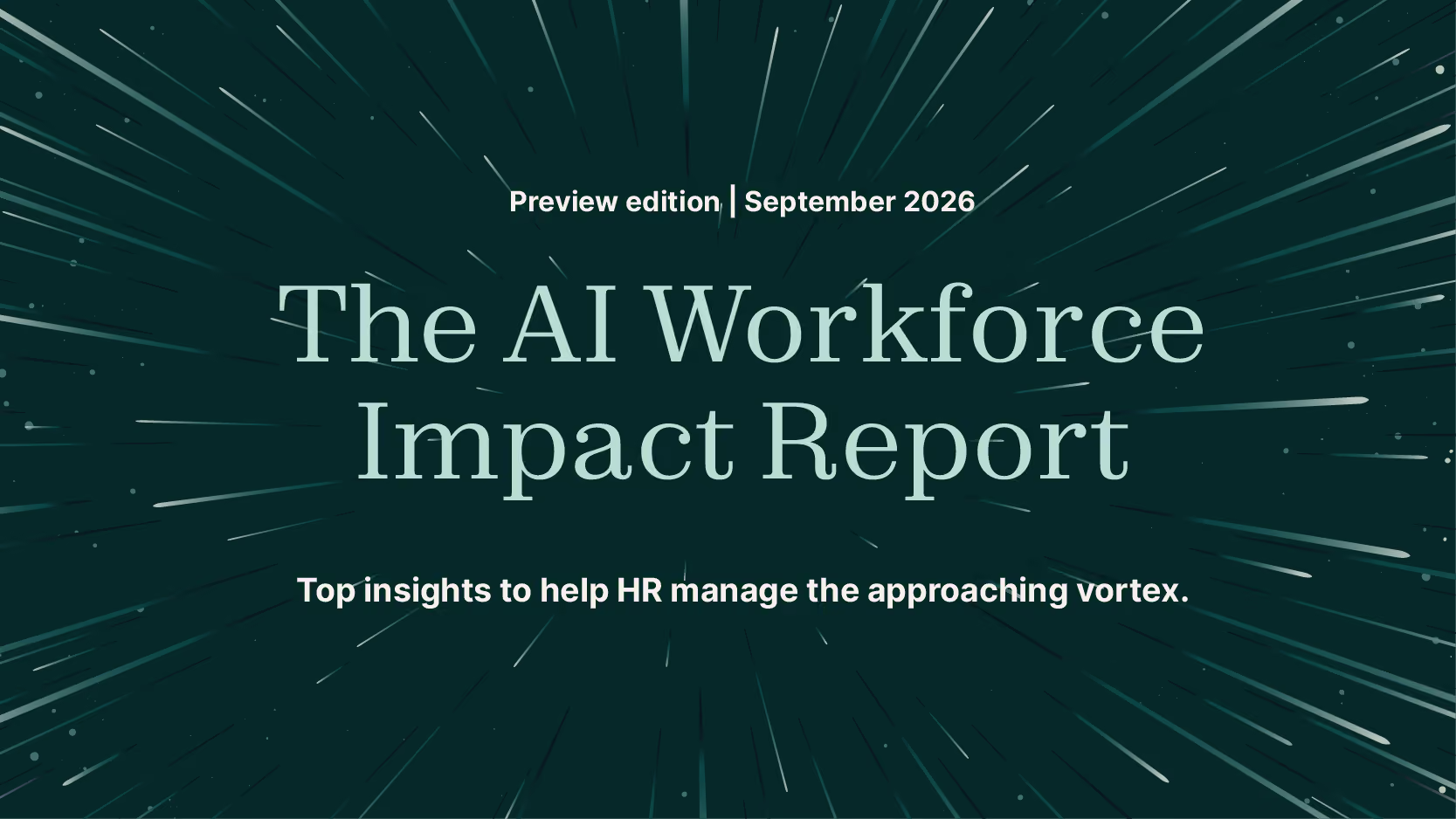
According to Payscale’s 2026 AI Workforce Impact Report preview, 61% of employers are rewriting job descriptions because of artificial intelligence (AI), while 49% say their salary structures haven’t kept pace. Nearly half (48%) say their market benchmarking no longer reflects the skills many roles require.
With these decisions in place, organizations are pricing jobs against descriptions that don’t match the actual work. Some employees are significantly underpaid relative to the market, while others are paid above it, for roles that have quietly changed shape.
Without current data, organizations don’t know where those gaps are or which ones are already costing them talent.
The annual cycle was never the whole story
Compensation software was traditionally built around one predictable event: the annual cycle (centralized, reactive, run once a year by one team, then largely set aside until the next planning season).
But managers, recruiters, and finance leaders make compensation decisions throughout the year, often when the organization needs an answer immediately.
And right now, many compensation teams are starting to receive updated market data and prepare recommendations for the coming year.
It’s an opportunity to examine where employees sit within their salary ranges, identify potential inequities, and determine which roles may need market adjustments.
But finding an issue in October shouldn’t automatically mean waiting until the following spring to address it.
If an employee’s pay is significantly below market, the organization should understand why, evaluate the retention and equity implications, and decide whether to adjust sooner.
The same applies when pay is above market. That doesn’t necessarily mean reducing someone’s salary. Instead, it may mean reviewing future increases, range placement, and how the role has evolved.
The point is to make informed decisions as information becomes available, not simply when the calendar allows.
That’s the shift from compensation management to compensation intelligence: making the annual process part of a broader, year-round capability.
What does this actually look like in practice?
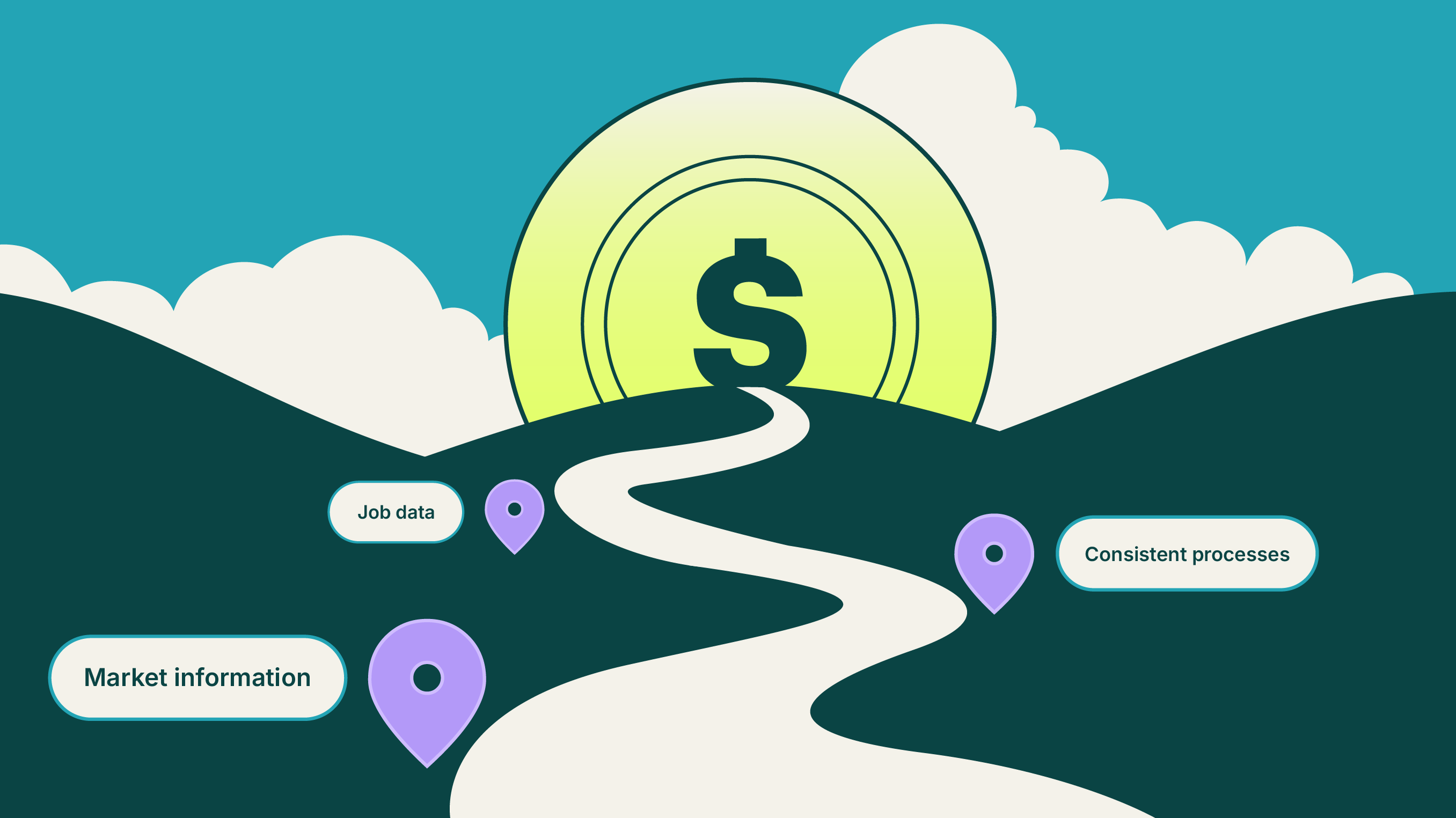
A year of compensation decisions entails more than creating an annual planning calendar. In practice, organizations need reliable market information, consistent processes, and job data that reflects the work employees actually do.
Making the annual process more useful
Annual compensation planning is still essential—it’s when organizations evaluate budgets, review salary structures, and decide on merit increases and other adjustments.
But the information gathered during this process should be useful beyond the annual review.
For example, when updated market data shows a role is falling behind, compensation teams can assess whether the organization needs to act before the next cycle.
Tools like Payscale Ascent™ give compensation professionals access to market benchmarking and compensation analysis to support those decisions.
The goal isn’t simply to complete the annual process. It’s to use what you’ve learned to make better decisions throughout the year.
How to support the decisions that happen between cycles
A promotion in February, a retention counteroffer in July, a market adjustment in November — these decisions may happen outside the annual cycle, but they still affect budgets, internal equity, and employee confidence.
When they’re handled through disconnected spreadsheets and email threads, it’s harder to maintain consistency and justify the reasoning later.
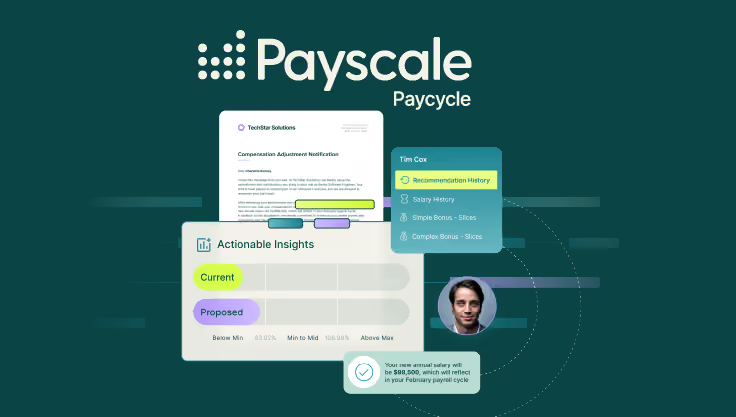
Payscale Paycycle™ helps organizations manage compensation planning and review pay information, giving teams more structure around compensation decisions.
That matters because an annual merit increase and an urgent market adjustment aren’t necessarily the same decision. Both deserve reliable information and appropriate oversight.
Keeping the foundation current
Even the best market data can only take you so far if the job you’re pricing no longer reflects the work being done. Outdated descriptions, inconsistent job levels, and missing skills can lead to inaccurate benchmarks and compensation decisions.
Payscale JobNav™ helps organizations create and maintain consistent job descriptions, with collaborative workflows and approvals that keep job information organized.
This becomes especially important as artificial intelligence changes job responsibilities and employers reconsider which skills their roles require.
Keeping job information current gives compensation and recruiting teams a more reliable starting point for decisions throughout the year.
Where this is headed
The annual cycle isn’t going away, and it shouldn't. Organizations still need structured processes for budgets, merit increases, and approvals.
But those processes can’t account for every decision the organization will face over the next 12 months. Real compensation intelligence means treating pay as an ongoing business responsibility, not something they revisit once a year.
Compensation decisions don’t wait for the annual cycle. Neither should the information and processes used to support them.
That’s the thinking behind the Payscale Intelligence Cloud: market data, job management, and planning tools built to work together, so your organization can act the moment a decision comes up, not just when the calendar says it’s time.
See how Payscale supports compensation decisions all year.