








The reward unicorn: Why skills-based pay hasn’t taken off (yet)
Skills-based pay has long been a "reward unicorn." AI is changing the equation, and new data shows why.

How to hire AI engineers with skills-based compensation
CV inflation makes 'AI engineer' meaningless as a job title. Here's how to identify real AI fluency and use skills-based compensation to hire and price AI talent correctly.

The overworked comp person: The pressures causing burnout in compensation management right now
Compensation professionals face unprecedented pressure from pay transparency laws, tension over pay equity versus flexibility, executive demands for reporting, and AI adoption stress.
AI is reshaping which jobs pay more. It's not what you'd expect
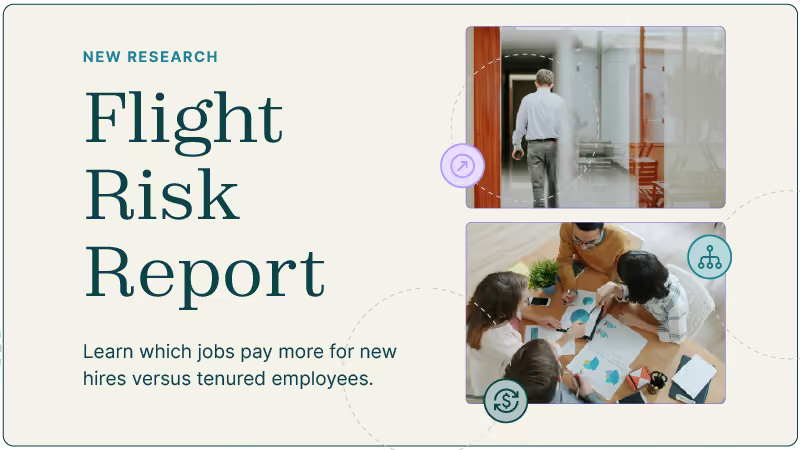
The 2026 Flight Risk Report reveals which roles are paying new hires more than tenured employees—and the data challenges everything HR thought about AI and job security. Here's what it means for your retention strategy.
Payscale wins 2026 Customer Success Transformation of the Year Award
Payscale wins the 2026 GameChanger Customer Success Transformation of the Year award from Gainsight.

HR is being treated like overhead. That should worry everyone
AI is genuinely good at routine, repeatable tasks. But most companies are cutting both—the routine work and the strategic work—because budget pressure doesn't distinguish between them. People strategy, compensation management, and retention require judgment and institutional knowledge you can't automate away.

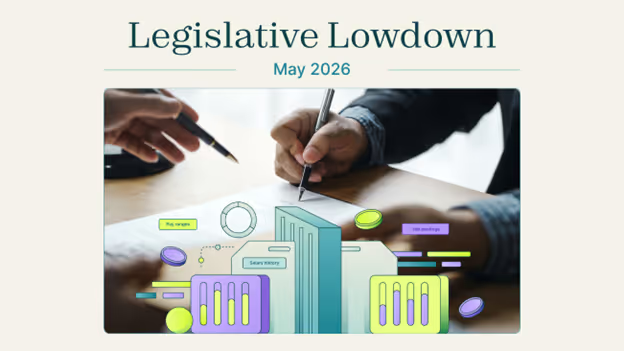
News to know: May 2026 labor market and pay legislation update
Hiring may be picking up, but the workforce landscape is anything but settled. May’s News to Know covers early labor market recovery signals, the growing backlash against AI-driven layoffs and corporate benefit cuts, and key pay legislation updates. Here's what compensation and HR leaders need to know heading into June.



Why Peanut Butter Pay Increases and Job Hugging Are a Dangerous Combination
Across-the-board pay increases may feel fair, but paired with job hugging, they create hidden workforce risk. Learn what the data says and how to build a smarter salary strategy.
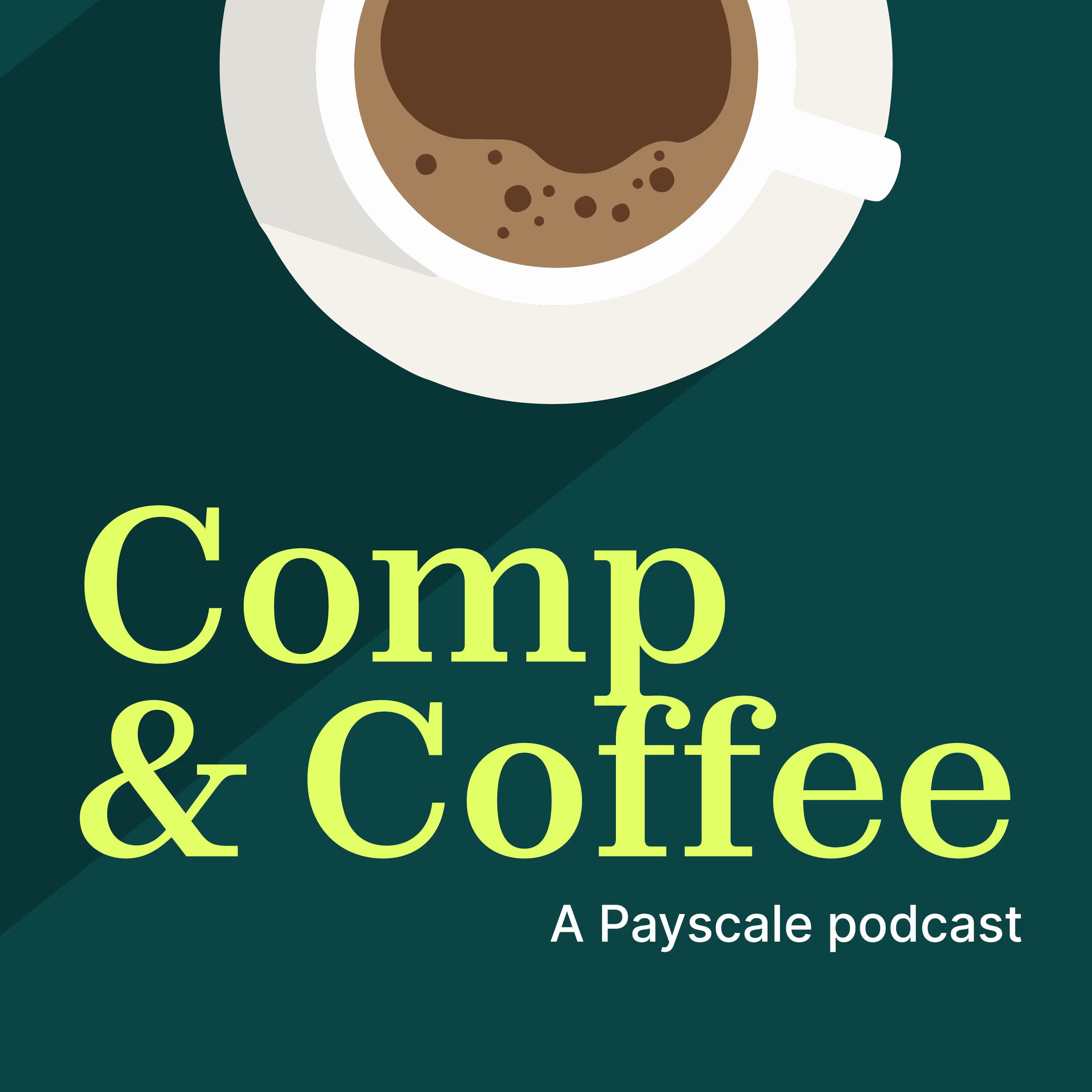
Pay conversations, freshly brewed
HR and comp leaders are under pressure: tighter budgets, new transparency laws, and rising expectations from every direction. Our podcast brings you expert insights so you can step into every pay conversation with clarity, confidence, and a plan.
Want to join us on the mic?
Let’s talk: coffee@payscale.com
Want to join us on the mic?
Let’s talk: coffee@payscale.com